
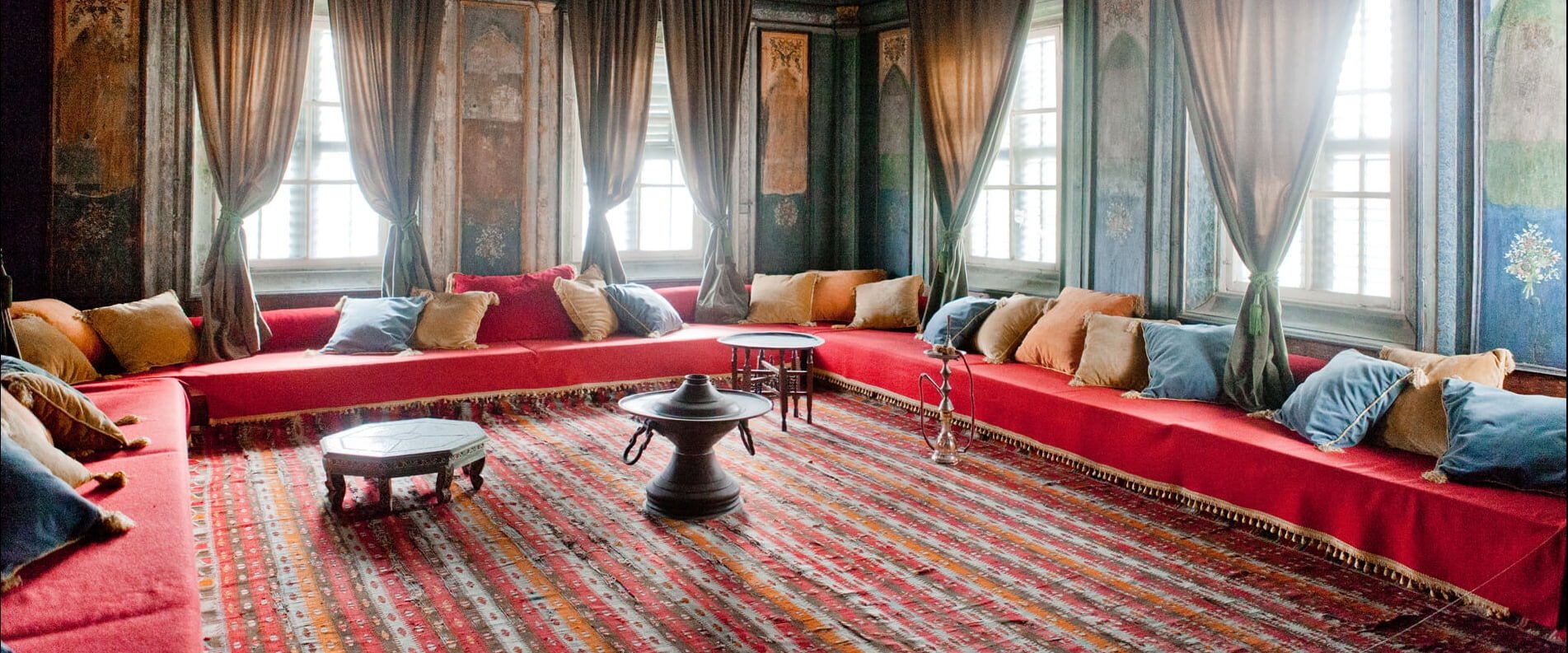
Nicosia is not only about the winding streets of the Old City, enchanting visitors with their history and atmosphere. The capital of Cyprus hides real treasures for lovers of art and history. The city has almost a dozen museums, visiting which offers not only shelter from the midday sun, but also a unique immersion into the island’s culture, archaeology, and art. Here you can learn about the lives of great people, admire masterpieces of European and Cypriot art, and trace the dramatic moments of local history.
How to plan your visit to the museums of Nicosia
To get the most out of visiting museums in Nicosia, it is important to manage your time properly. Most of them are located in the city center, especially within the Old City surrounded by Venetian walls. This makes it easy to combine several locations into one route and avoid spending too much time on the road.
It is best to start your museum tour in the morning, especially during the warmer time of year, when temperatures rise to record levels. Museums become an excellent refuge from the heat and also allow you to comfortably spend several hours exploring the culture and history of the island.
Many museums close earlier than typical tourist attractions, so it is worth checking opening hours in advance. Some of them are closed on Mondays or have reduced hours on weekends.
Ticket prices for museums in Nicosia are very affordable compared with other European capitals. On average, admission costs from 2 to 8 euros, and some museums offer free entry or special free-admission days.
For example, municipal museums and some cultural centers sometimes open their doors free of charge, especially during cultural events or city festivals. It is also worth keeping in mind that students, pensioners, and children often receive discounts. If you plan to visit several museums, it makes sense to ask about combined tickets or special offers — this will help you save money and make your trip even more enjoyable.
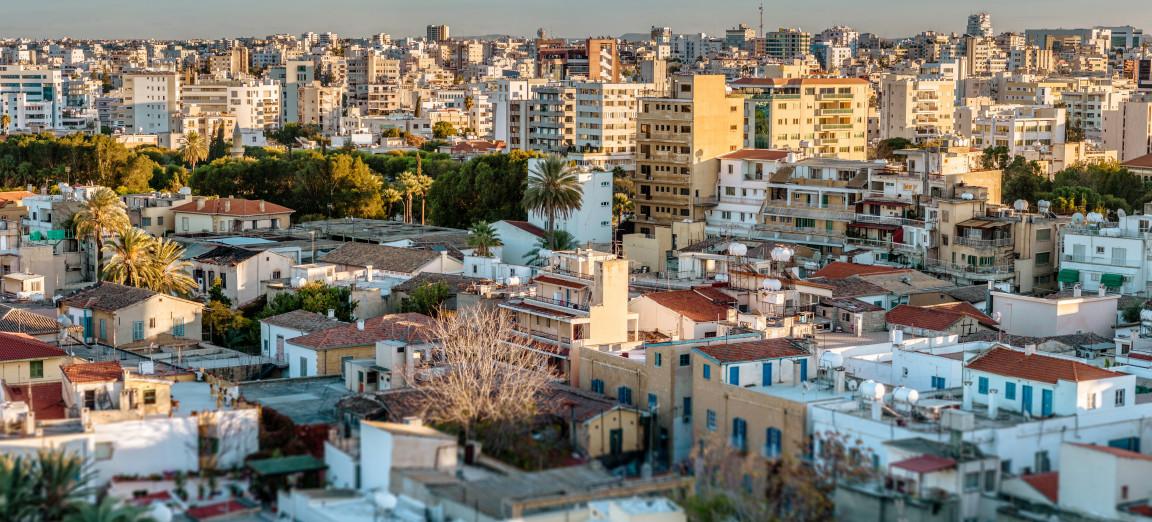
8 best museums in the capital
Do you think museums are boring and uninteresting? Not at all! Nicosia is full of places where you can get absorbed for a couple of hours, be surprised, take great photos, and even learn something unexpectedly interesting. We have selected options that definitely will not let you get bored!
These 8 museums demonstrate a unique combination of Nicosia’s history, art, and culture. They are suitable for everyone: from tourists wishing to immerse themselves in history to art lovers and families with children. Each museum opens up a special world of Cyprus — from ancient civilizations to contemporary creativity.
AG Leventis Gallery — European art in Nicosia Best museum routes in Nicosia
Address: Anastasios G, 5, A.G. Leventi 1097, Nicosia
Opening hours: Wednesday — 10:00–20:00, Thursday to Sunday — 10:00–17:00, Monday and Tuesday — closed
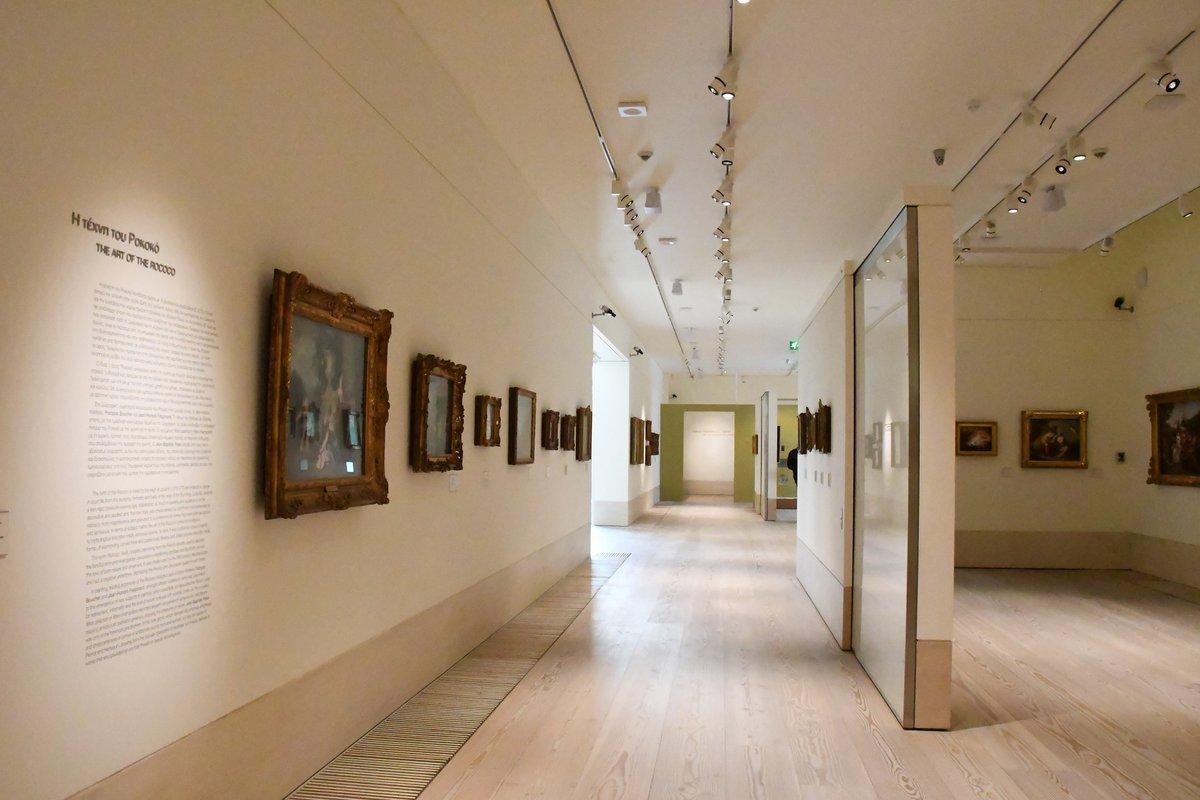
AG Leventis Gallery houses collections of European paintings and sculptures from the 16th to the 20th century. Here you can see works by masters of the French school such as Dufy, Signac, Monet, and Renoir. The Greek exhibition includes works from the 19th and 20th centuries, from Krysis and Chalepas to Tsarouchis and Tetsis. A special place is occupied by the Cypriot collection, where the main exhibit is the 17-meter panorama “The World of Cyprus” by the artist Adamantios Diamantis.
The museum is housed in a modern building with spacious halls for temporary exhibitions and regular free tours led by a curator. This place will be a real find for art lovers and for those who want to become acquainted with the history of European painting in the context of Cyprus.
The Cyprus Museum — archaeological treasures of the island
Address: Mouseiou 1, Nicosia 1097
Opening hours: Tuesday to Friday — 8:00–18:00, Saturday — 9:00–17:00, Sunday — 10:00–13:00, Monday — closed
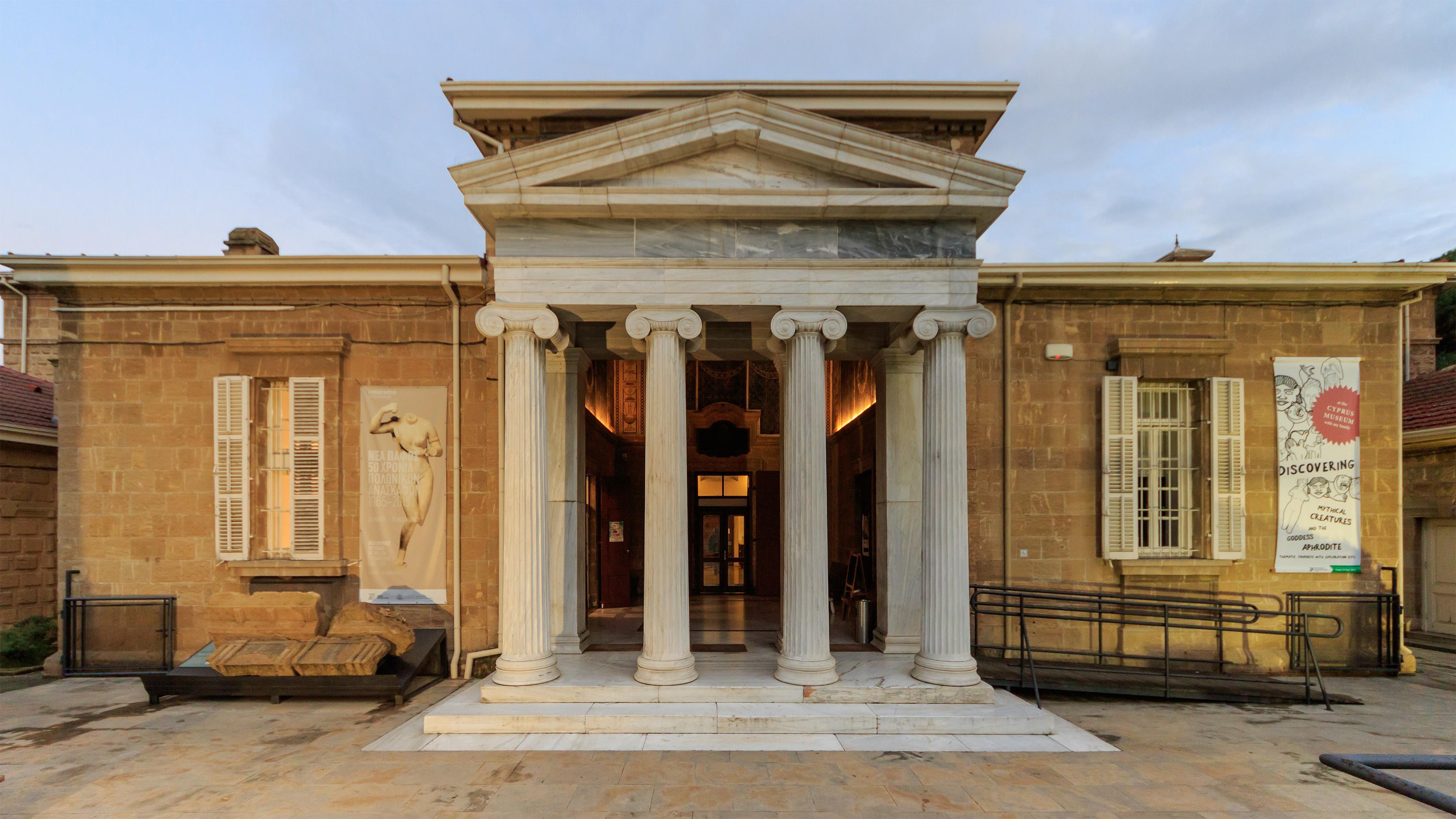
The Cyprus Museum is the island’s largest archaeological museum with the most extensive collection of antiquities. The exhibits cover the period from the Neolithic era (9000 BC) to the 12th century BC, including the statue of the Horned God from the village of Enkomi. Here you can see royal tombs from Salamis, a decorated bronze cauldron, and a bed with ivory and glass elements.
Special attention should be paid to the hall with 2,000 terracotta figurines from the 7th–6th centuries BC, as well as the famous statue of Aphrodite from Soli. One of the most interesting exhibits is the bronze statue of Emperor Septimius Severus. Free tours conducted by the Cyprus Tourism Organization help visitors better understand all these historical treasures.
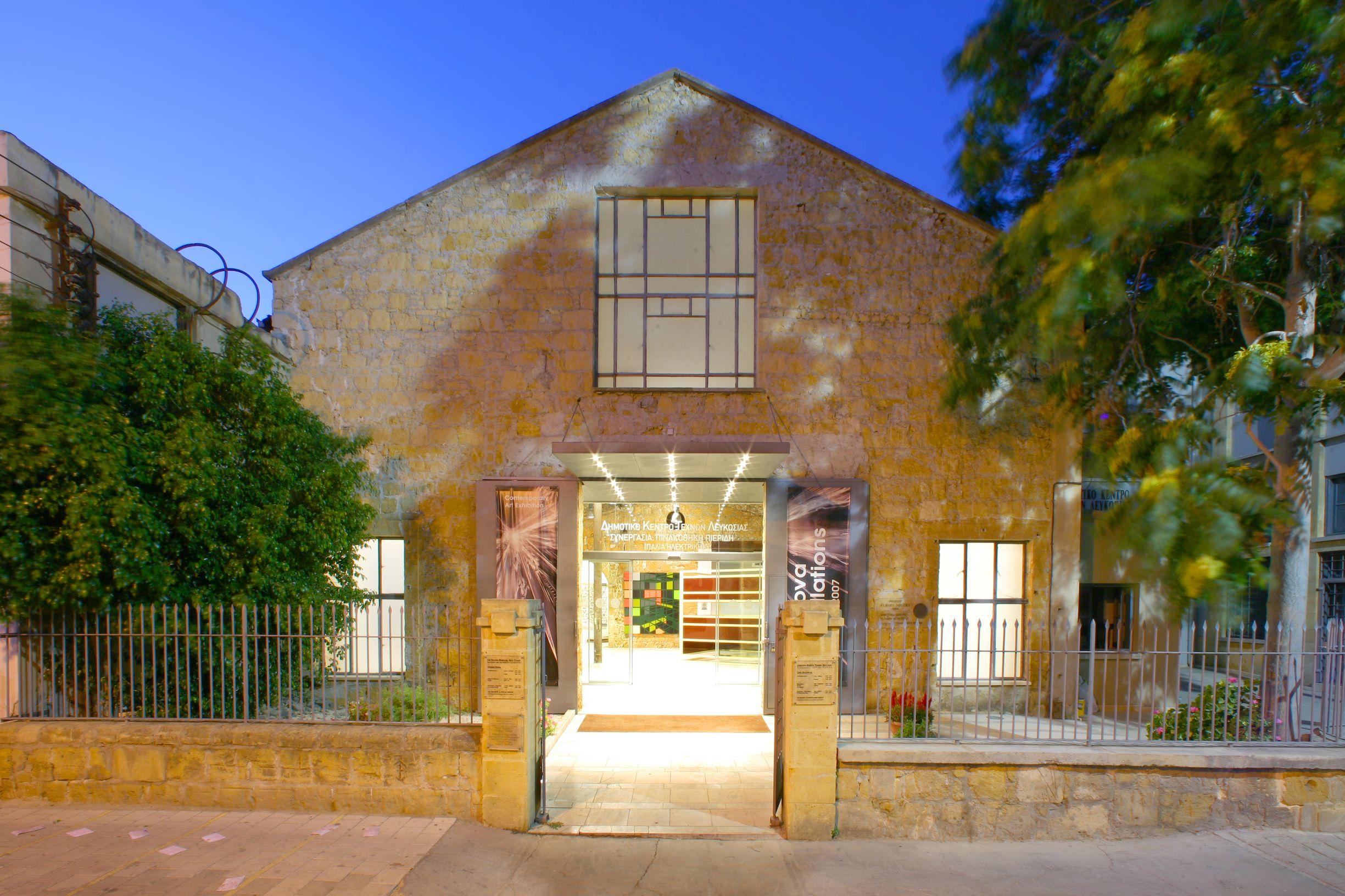
NiMAC — contemporary art in an industrial style
Address:Palias Ilektrikis, 19, Nicosia
Opening hours: Wednesday to Saturday — 10:00–20:00, Sunday — 10:00–18:00, Monday and Tuesday — closed
The Nicosia Municipal Arts Centre, NiMAC, occupies a former power station with impressive high ceilings and preserved industrial elements. The museum’s collection includes paintings, photographs, videos, sculptures, and works from the Dimitris Pierides Museum of Contemporary Art in Athens.
The exhibitions change regularly and often address current political and cultural topics. The museum has the Old Powerhouse restaurant with an open terrace in the inner courtyard, where modern Cypriot cuisine is served, making a stop here pleasant for a rest after viewing the exhibitions.
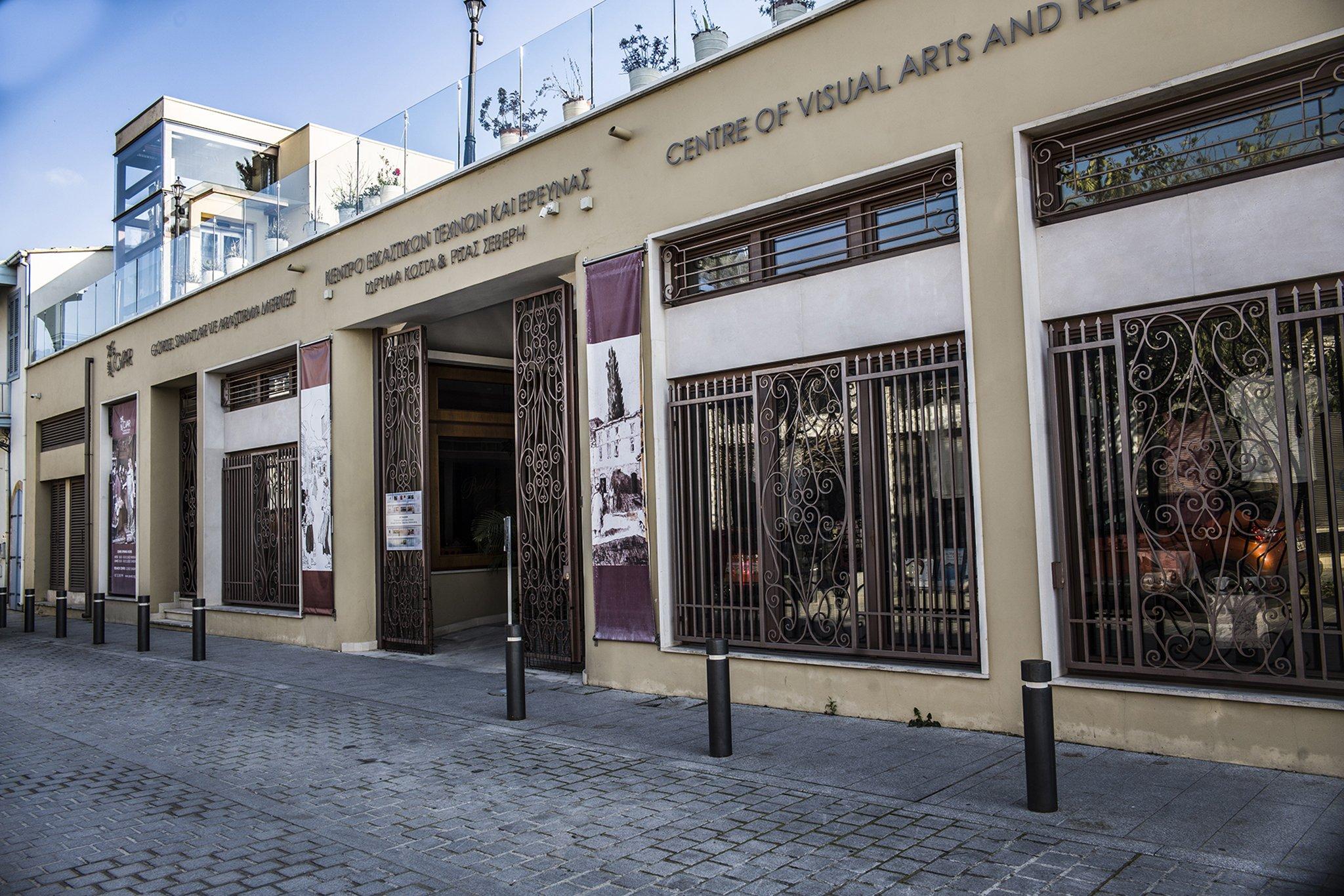
CVAR — the history of Cyprus through visual art
Address: Ermou Street 285, 1017 Nicosia
Opening hours: Tuesday to Sunday — 9:30–17:00, Monday — closed
The Centre of Visual Arts and Research (CVAR) tells the story of Cyprus through the centuries. The gallery of paintings, photographs, and documents reflects the view of travelers and artists of the island from the 14th century to the middle of the 20th century. Of particular interest are exhibits from the colonial period and a library with 10,000 books about Cyprus and the Eastern Mediterranean.
On the roof of the museum, the Balthazar café operates, where you can enjoy a view of the Old City and take a break over a cup of coffee.
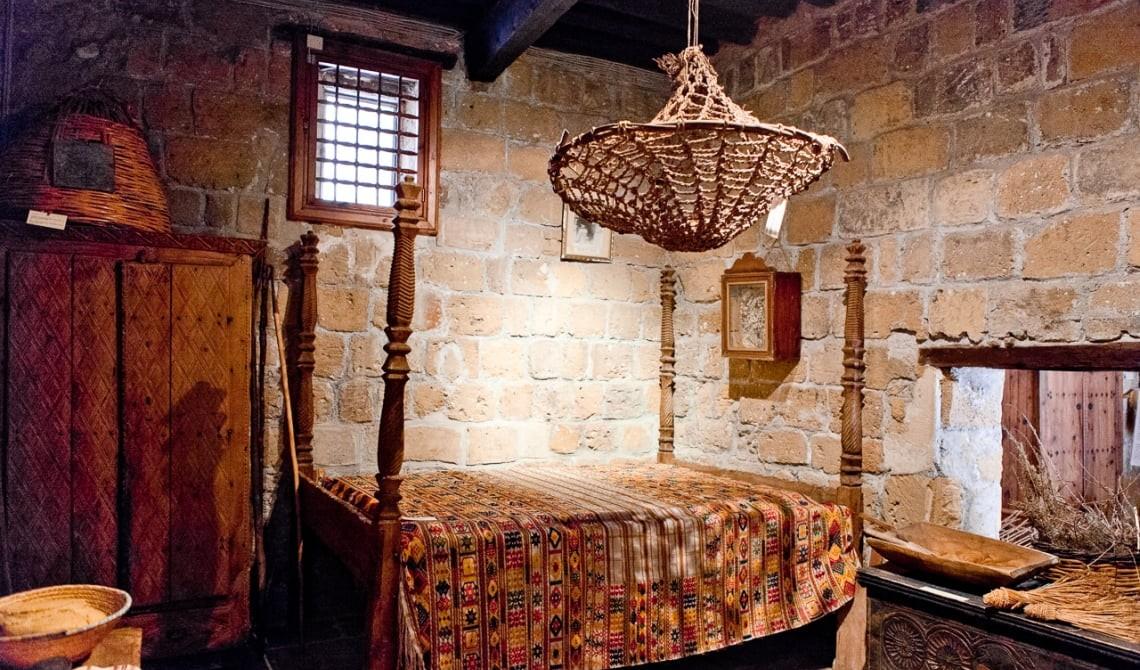
Cyprus Folk Art Museum — the traditions of Cyprus in detail
Address: Square of Archbishop Kyprianos, Nicosia 1016
Opening hours: Tuesday to Friday — 9:30–16:00, Saturday — 9:30–13:00, Sunday and Monday — closed
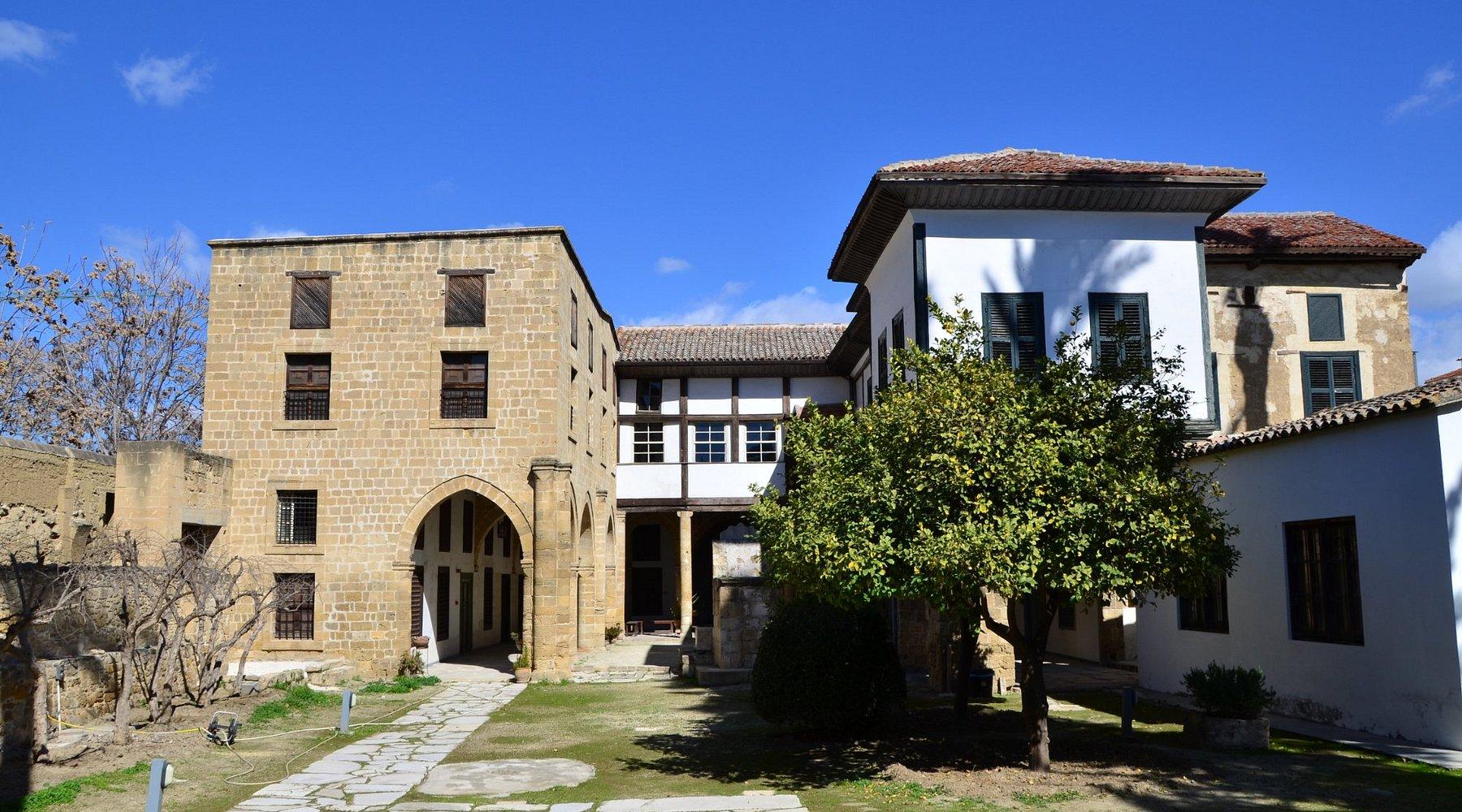
The Folk Art Museum preserves the country’s largest collection of folk art and ethnography. The 15th-century building once served as the residence of the archbishop. Inside are embroideries, lace, costumes, ceramics, metalwork, baskets, folk paintings, carved dowry chests, and much more. The museum has a souvenir shop with works by local artisans. The historical atmosphere and quiet garden make the visit especially pleasant.
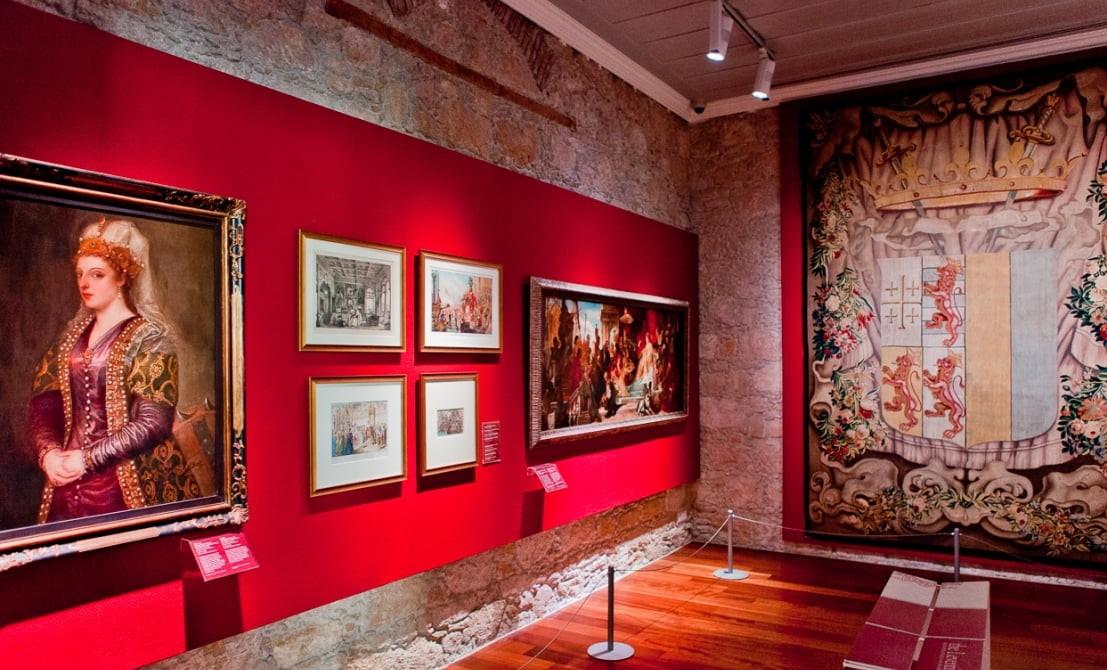
The Leventis Municipal Museum — the history of Nicosia
Address: Hippocratous 15-17, Nicosia 1011
Opening hours: Tuesday to Sunday — 10:00–16:30, Monday — closed
The museum is housed in a neoclassical mansion with an inner courtyard. Here you can trace the history of Nicosia from the Bronze Age to modern events. The collection includes ceramics, 16th-century maps, photographs, and memorabilia from the period of Cyprus’s independence and the years that followed. The exhibitions are accompanied by informative labels that help visitors better understand the historical context.
The House of Hadjigeorgakis Kornesios — luxury and the Ottoman era
Address: Patriarchou Grigoriou 20, Nicosia 1015
Opening hours: Tuesday to Friday — 8:30–15:30, Saturday — 9:30–16:30, Sunday and Monday — closed
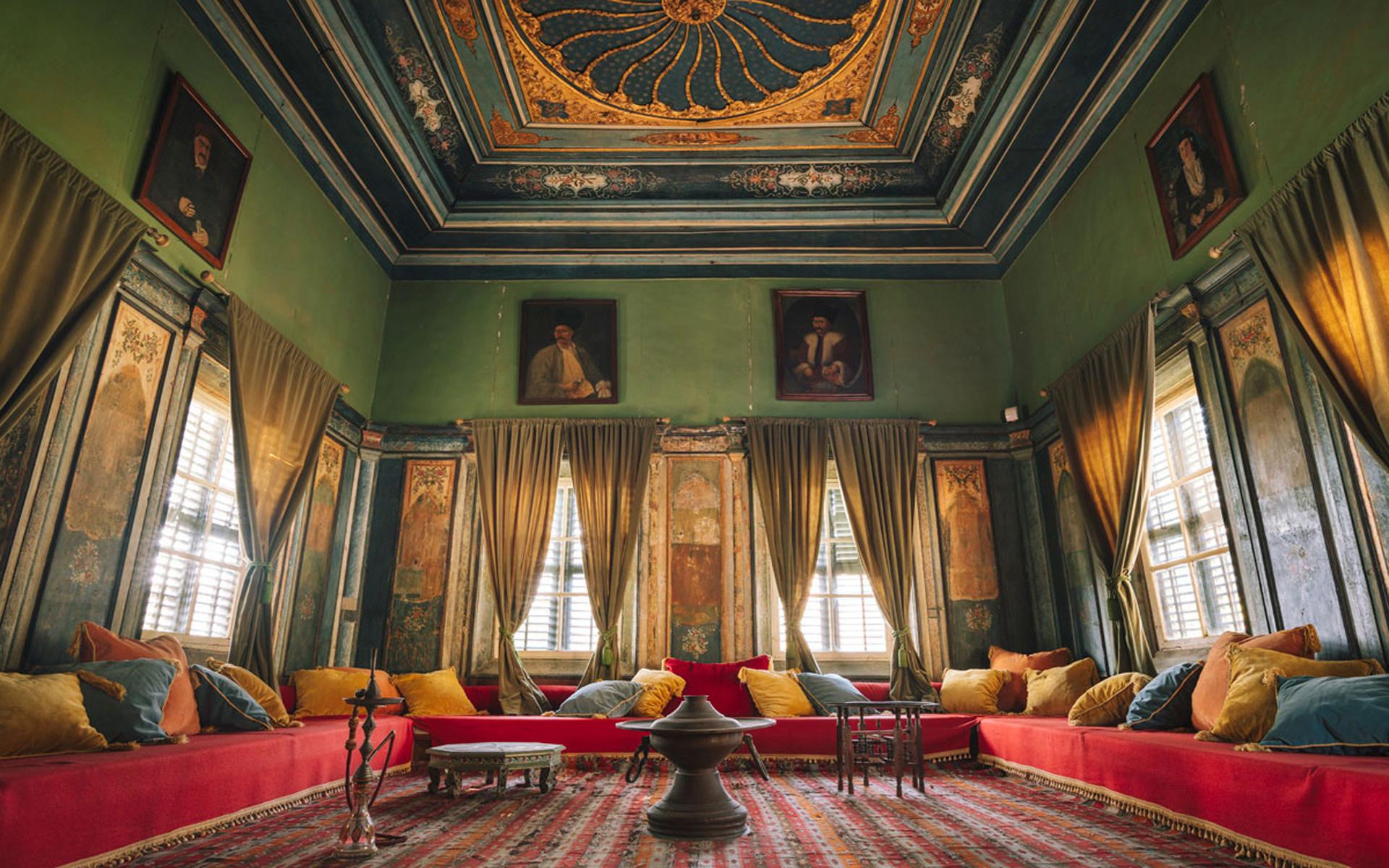
The House of Kornesios, the Great Dragoman of Cyprus, allows you to immerse yourself in the life of a powerful 18th-century figure. Some rooms are decorated in a typically Ottoman style, while others display antiques and memorabilia from the era. Special attention should be paid to the arched courtyard and the interior passageways, which create the atmosphere of that time.
Archbishop Makarios III Foundation Art Galleries— Byzantine art
Address: Isokratous, Nicosia 1016
Opening hours: Tuesday to Saturday — 9:30–17:00, Sunday and Monday — closed
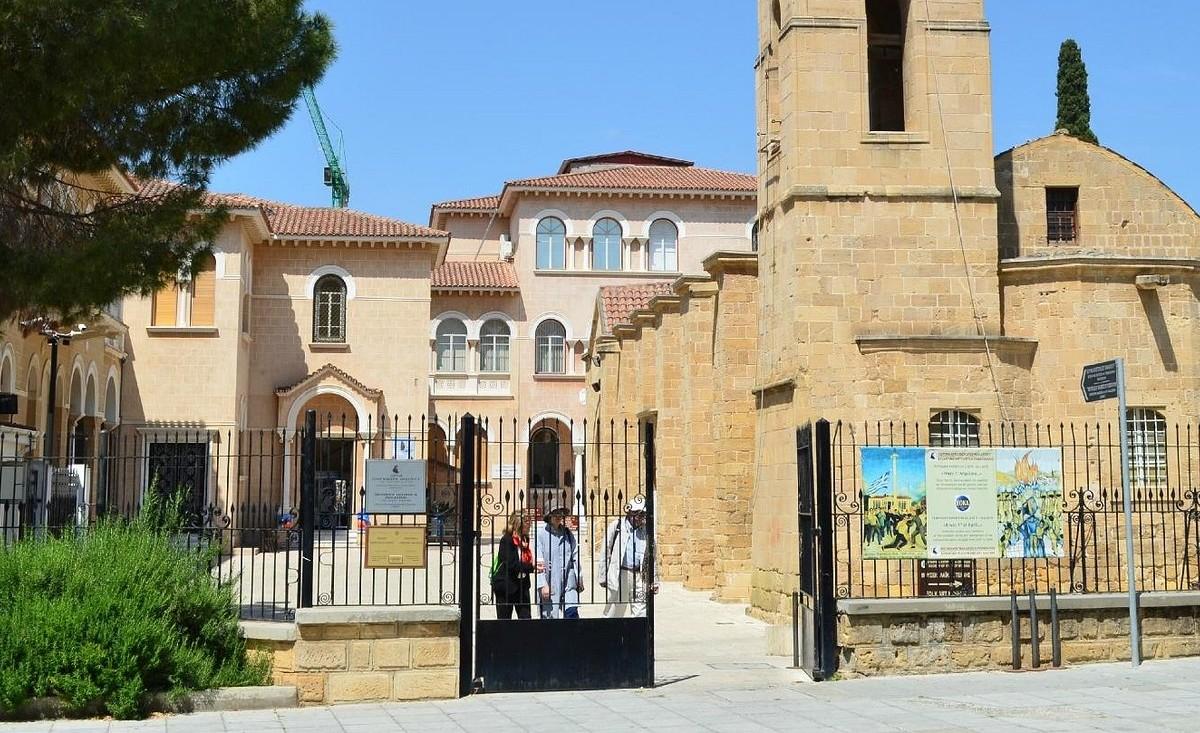
The museum’s collection includes more than 300 icons and frescoes from the 9th to the 19th century. Among them are works from churches in Northern Cyprus that were transferred to the museum after 1974. A special place is occupied by the dome with frescoes from the Church of Saint Evfemianos and the 6th-century mosaics from the monastery of Panayia Kanakaria. Also on display are 12th-century icons of Christ and the Virgin Mary and a 13th-century Resurrection from the Lambadistis Monastery.
Best museum routes in Nicosia
If you have only one day, it is best to focus on museums in the city center. You can start with the Cyprus Museum, then head to the Leventis Municipal Museum, and after that walk to CVAR and NiMAC, where contemporary art will create a contrast with the historical exhibitions.
If you have two days, you can add calmer and more atmospheric places such as the Folk Art Museum and the House of Kornesios. This will allow you to feel more deeply the traditions and everyday life of Cyprus in different eras.
For art lovers, the ideal route will include the AG Leventis Gallery and the Byzantine museum at the Archbishop Makarios III Foundation. Such a day will be entirely devoted to art — from European painting to religious icons.
Useful tips for tourists
Before visiting the museums, it is worth wearing comfortable shoes, since walks through the Old City include cobbled streets. It is also recommended to carry water with you, especially during the warmer time of year. Photography is allowed in many museums, but sometimes without flash — this is important to keep in mind so as not to break the rules. If you want to understand the exhibitions more deeply, it is worth using guided tours or audio guides. Even a brief explanation can significantly enrich the impression of what you see.
Nicosia is the cultural heart of Cyprus, and its museums reflect the entire complex and rich history of the island. Here you can see traces of ancient civilizations, the influence of Byzantium, the Ottoman Empire, and Europe, as well as modern artistic trends.
Visiting museums allows you not only to learn more about the past, but also to better understand modern Cyprus — its culture, traditions, and way of life. This is especially important for those who want to see not only beaches, but also the true soul of the island.
The museums of Nicosia are not just points on a map, but a full journey through the centuries. Regardless of whether you are coming to Cyprus for the first time or are already well acquainted with the island, these places will definitely reveal something new and memorable to you.
Read also:
- Padel or tennis in Cyprus: which sport should you choose?
- TOP 10 new buildings in Limassol to be completed in 2026
- Kindergartens in Cyprus. How they work, how much they cost, and what parents need to know
- Giving birth in Cyprus. Cost and citizenship procedures 2026
- Does Amazon deliver goods to Cyprus? A detailed guide for 2026